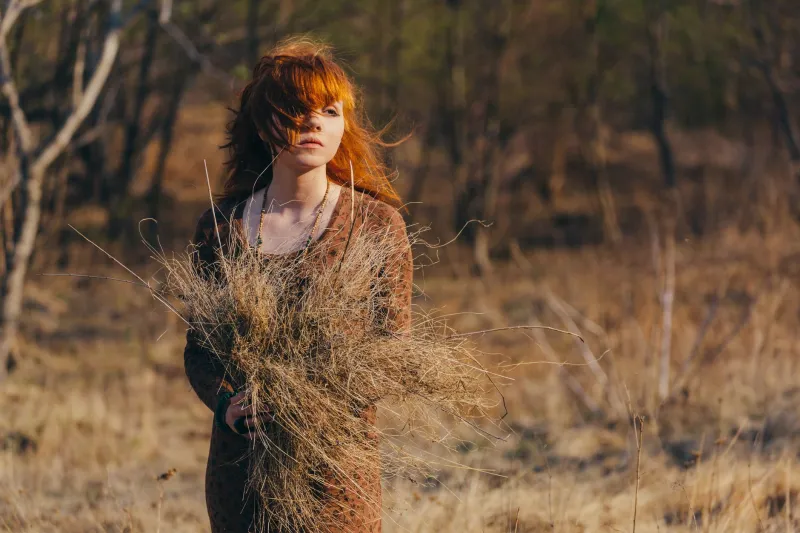
Chase the Light: How to Photograph Indian Summer Before It's Gone
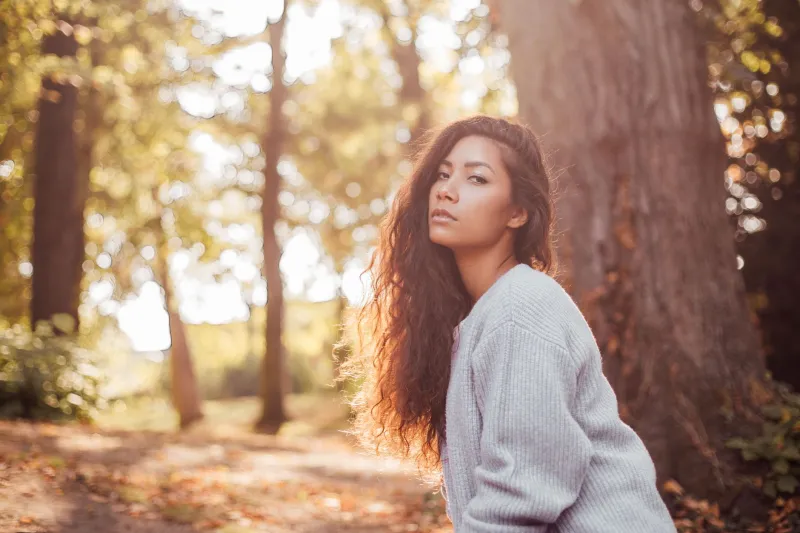
Ask anyone who's tried to photograph Indian summer and they'll tell you the same thing: the light does something different during this season that's almost impossible to describe but completely obvious the moment you see it. It's lower, warmer, more golden — like the sun has finally figured out exactly how to flatter everything it touches after a whole summer of being too direct and too overhead.
The frustrating part is how fast it disappears. A perfect Indian summer afternoon might last three hours before the clouds shift or the temperature drops and the whole mood changes. If you've ever tried to capture it and come away with photos that look almost right but not quite, this guide is for you.
We're going to break down exactly what makes Indian summer light unique, when to shoot, how to compose your shots, and how to style them — including some easy tricks for featuring your favorite pieces from Indian Summer Shop in ways that feel natural rather than staged.
What Makes Indian Summer Light Different
Understanding why this light looks the way it does helps you anticipate it rather than just stumbling into it.
During summer, the sun sits high in the sky and the light hits surfaces at a relatively direct angle. It's bright and even, which is great for visibility but not especially interesting for photography. Shadows are short. Colors look washed out or oversaturated depending on the time of day.
In Indian summer — that warm stretch of days that arrives in late September or October after an early cool spell — the sun has shifted lower on the horizon. The light now travels through more of the atmosphere before it reaches you, which scatters the shorter blue wavelengths and lets the longer warm ones (reds, oranges, golds) dominate. The result is that everything gets bathed in a soft amber quality that's genuinely different from summer's brightness or early fall's increasingly cool, blue-toned light.
For photographers, this is a gift. The contrast is softer, the shadows are longer and more interesting, and warm-toned subjects — rust, ochre, cream, terracotta — absolutely glow.
The Golden Window: When to Shoot
You've probably heard of "golden hour" — the roughly 60 minutes after sunrise and before sunset when light is warmest. Indian summer essentially extends this aesthetic throughout more of the day, but the magic is still most concentrated at specific times.
Late afternoon, roughly 3–5 PM, is the sweet spot for most of the US during Indian summer months. The sun is low enough to cast those long, warm shadows but high enough that you still have plenty of light to work with. This window is more forgiving than the final 20 minutes before sunset, which can be stunning but moves fast.
The hour before sunset is peak drama territory. Colors deepen, shadows go almost horizontal, and anything backlit gets a luminous halo effect that looks like it was done in post-processing even when it wasn't. Great for portraits and detail shots of textiles, leaves, or anything with texture.
Morning golden hour is underused and underrated. The light is softer and slightly cooler than evening golden hour, which can actually be beautiful for certain shots — especially if you want a more wistful, less saturated look. And there are fewer people around, which matters if you're shooting in a public space.
Midday Indian summer light is still better than typical summer midday, but it's not where the magic lives. Save your best outfits and setups for the afternoon.
Composition Tips for That Signature Look
Backlight whenever possible. Positioning your subject between you and the light source — rather than having the sun behind you — creates that glowing, rim-lit quality that defines Indian summer photography. Hair lights up. Fabric becomes almost translucent. The edges of everything get a warm outline that's hard to fake in editing.
Include the long shadows. One of the most distinctive visual cues of this season is the length and warmth of the shadows cast by late-day light. Including a long shadow in your frame — from a fence, a tree, or a person — immediately communicates the time and season without needing leaves or pumpkins in the shot.
Find warm-toned surfaces. Brick walls, wooden fences, dry golden grass, terracotta tile, sand-colored concrete — these surfaces act as natural reflectors and amplify the warmth of Indian summer light. If you're choosing between shooting in front of a white wall or a weathered wooden one, the wood wins every time for this aesthetic.
Go horizontal with the horizon. When the sun is low, including a wide horizon line in your composition lets the viewer feel the scale of the light. This works especially well for landscape-style shots or wide environmental portraits.
Styling Your Shots with Indian Summer Shop Pieces
One of the things that makes Indian summer photography so visually satisfying is how well certain colors and textures perform in this light. Here's how to think about styling when you're featuring pieces from the shop.
Lean into warm earth tones. Rust, burnt orange, warm camel, deep mustard, and terracotta don't just look good in Indian summer light — they look extraordinary. These colors absorb the golden quality of late-day sun and reflect it back in a way that makes the whole image feel cohesive. If you're choosing between outfits for a shoot, always go warmer during this season.
Texture reads better than pattern. In soft, diffused golden light, fine details in fabric — a knit weave, a brushed flannel, the grain of a canvas tote — become visible in a way they don't under harsher light. Let the camera get close. Texture is what makes a styled shot feel tactile rather than flat.
Use your surroundings as props. You don't need a studio setup. A wooden porch railing, a pile of dry leaves, a cup of something warm, an open book — these contextual elements tell a story about the season without spelling it out. The goal is to make the viewer feel Indian summer, not just see a product.
Keep styling relaxed. Overly polished, editorial-style shots tend to feel out of sync with Indian summer's casual, unhurried energy. Slightly undone hair, a jacket casually draped over one shoulder, sleeves pushed up — these small styling choices communicate ease and authenticity.
Editing for Indian Summer
If you shoot during the right light window, you won't need to do much. But a few adjustments go a long way.
In Lightroom, VSCO, or even your phone's native editor: warm your white balance slightly, pull up the orange and yellow luminance channels, add a gentle fade to the blacks (lifting the shadows slightly), and reduce the blue saturation. This combination enhances what's already there rather than manufacturing something artificial.
Avoid the temptation to over-edit into a heavily filtered Instagram aesthetic. Indian summer's beauty is in its subtlety — the light is real, the warmth is real, and photos that honor that tend to resonate more than heavily processed ones.
Share It While the Season Lasts
Indian summer doesn't wait. It shows up, it does its golden, unhurried thing for a few weeks, and then it's gone until next year. The photos you take now are the ones you'll reach for in January when everything outside is grey and cold.
So grab your camera, check the weather, and head outside around 4 PM. The light is already doing something incredible — you just have to be there to catch it.