Stock Your Shelves Like the Season: The Flavors That Always Taste Like Indian Summer
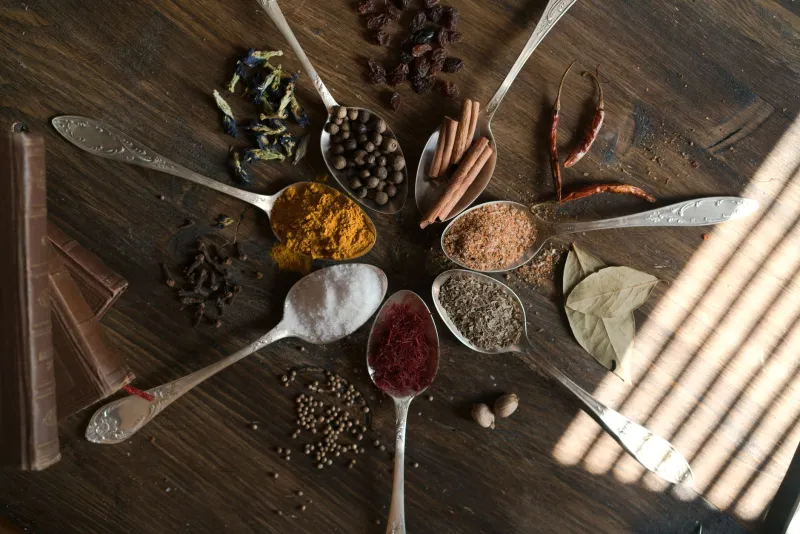
Stock Your Shelves Like the Season: The Flavors That Always Taste Like Autumn
There's a particular kind of craving that shows up when the air gets that first real edge of cool—not cold, just less warm. You want something that tastes like woodsmoke and dried leaves and the last afternoon of good light. You want, basically, Indian summer in a bowl.
The good news: you can have that flavor any time you want it. The right pantry makes the season portable. Whether it's a muggy Tuesday in June or a genuinely crisp Saturday in November, the spices and ingredients that carry that late-golden-afternoon feeling are available year-round if you know what to look for.
Here's what to stock, why it works, and how to actually use it.
Why Certain Flavors Feel Like Autumn in the First Place
This isn't just nostalgia, though nostalgia is definitely in the mix. There's actual sensory science behind why some flavors feel seasonal even out of context.
A lot of it comes down to volatility—the way aromatic compounds release at different temperatures. Warm spices like cinnamon and clove contain compounds (cinnamaldehyde and eugenol, specifically) that our brains have learned to associate with warmth, both physical and environmental. We encounter them most often in fall cooking, so the association gets reinforced year after year until the smell alone can trigger a full seasonal mood shift.
There's also the fat and sugar connection. Autumn flavors tend to appear in rich, slow-cooked foods—braises, pies, roasted root vegetables. Our palates associate those cooking methods with the season, so the flavor and the feeling of the dish get bundled together in memory. Eat a cardamom-spiced squash soup in August and your brain does a little double-take. It's the right flavor in the wrong month, and somehow that makes it taste even more intentional.
The Core Indian Summer Pantry
Cardamom
If there's one spice that does the most work in an Indian summer pantry, it's cardamom. Green cardamom especially has this quality of being simultaneously floral and warm—it doesn't just taste like fall, it smells like the kind of afternoon that makes you stop walking and just stand there for a second.
Buy whole pods and grind them yourself when you can. Pre-ground cardamom loses its punch fast. Use it in rice pudding, spiced coffee, poached pears, or stirred into whipped cream. It's also genuinely good in savory applications—try it in a butternut squash soup alongside a pinch of white pepper.
Where to source it: Diaspora Co. and Burlap & Barrel both carry single-origin cardamom that's noticeably more fragrant than grocery store versions.
Black Walnut
This one is underused and deeply American. Black walnuts have a funkier, earthier flavor than their English walnut cousins—almost smoky, with a slight bitterness that makes them taste genuinely wild. They're native to the eastern US and have been a fall harvest staple for centuries.
They're harder to find than regular walnuts, but Hammons Products (out of Missouri) ships them nationally and they're worth ordering. Use them in baked goods, fold them into butter to top roasted sweet potatoes, or just eat them with a little good cheese and honey.
Smoked Paprika
Not regular paprika. Smoked paprika—the Spanish kind, pimentón de la Vera—brings a campfire quality to savory cooking that's hard to replicate any other way. It's the ingredient that makes a simple roasted vegetable sheet pan feel like something you cooked over an open fire at the edge of a field.
Add it to bean soups, rub it on chicken thighs before roasting, or stir it into mayonnaise for a sandwich spread that tastes like it belongs in October.
Sorghum Syrup
If you've never cooked with sorghum syrup, you're missing a pantry workhorse with deep roots in Southern US food culture. It's similar to molasses but less bitter, with a grassy, almost caramel-like depth. It tastes like harvest season in a way that maple syrup, for all its appeal, doesn't quite match.
Drizzle it over cornbread, use it to glaze roasted carrots, or stir it into a cocktail with bourbon and a few dashes of bitters. Muddy Pond Sorghum in Tennessee is a well-regarded producer that ships.
Dried Mushrooms
Porcini, shiitake, or a mixed blend—dried mushrooms add umami and an earthy, forest-floor quality that's basically autumn in concentrated form. Rehydrate them in warm water (save that soaking liquid, it's liquid gold) and use them in risottos, gravies, pasta sauces, or braised meats.
The rehydrating liquid alone can transform a simple broth into something that tastes like it simmered all day.
Mace
Mace is the outer covering of the nutmeg seed, and it tastes like nutmeg's more refined sibling—warmer, less sharp, slightly more complex. It's wonderful in cream sauces, baked goods, and spiced drinks. It also has a way of making savory dishes taste more complete without tasting obviously spiced.
It's worth keeping both mace and nutmeg on hand. They're similar but not interchangeable.
A Simple Recipe to Start: Cardamom-Sorghum Roasted Pears
This takes about 25 minutes and tastes like it belongs on a restaurant menu. It works as a dessert, a breakfast topping, or a side dish alongside pork.
You'll need:
- 3 firm pears, halved and cored
- 2 tablespoons sorghum syrup
- 1 tablespoon butter, melted
- ½ teaspoon ground cardamom
- Pinch of flaky salt
Preheat your oven to 400°F. Toss the pear halves with the butter, sorghum, and cardamom. Place cut-side down on a parchment-lined baking sheet. Roast for 15-18 minutes until caramelized and tender. Flip, add a pinch of salt, and serve warm with Greek yogurt, whipped cream, or vanilla ice cream.
That's it. It tastes like Indian summer in a way that's almost unfair.
Building the Pantry Over Time
You don't have to buy everything at once. The best approach is to add one or two new ingredients per season and actually cook with them before moving on. A pantry full of spices you've never opened is just expensive decoration.
Start with cardamom and smoked paprika—they're the most versatile and the easiest to work into everyday cooking. Add sorghum syrup when you find it. Order the black walnuts in October when they're freshest.
The goal isn't a perfectly stocked shelf. It's a pantry that lets you reach for a particular flavor on a random Wednesday and actually find it there—one that makes whatever you're cooking taste a little more golden, a little more late-afternoon, a little more like the season you're always half-waiting for.
That's what Indian summer tastes like. Turns out you can make it any time you want.