Past Peak Is the New Peak: Seven Late-Season Drives Worth Waiting For
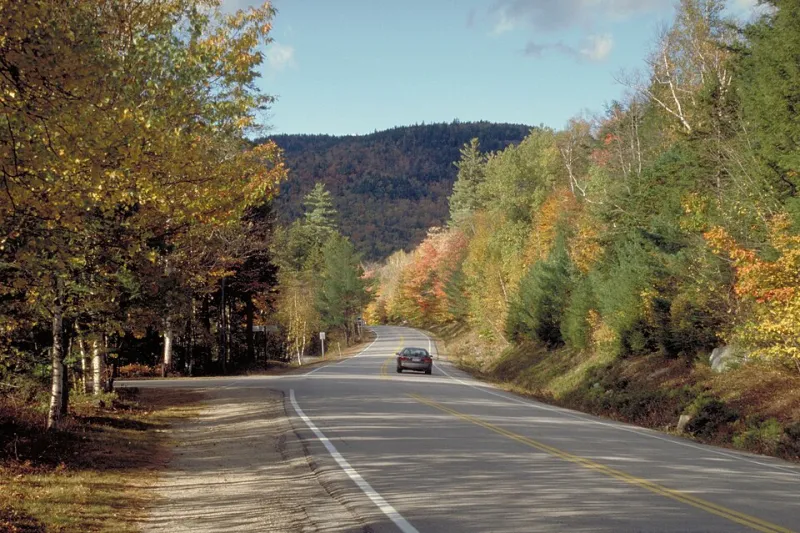
Photo: Unknown authorUnknown author or not provided, Public domain, via Wikimedia Commons
Foliage maps have a bad habit of calling it. One week the county is at high color, the next it is listed as past peak, and suddenly the roadside stands are stacking pumpkins on the discount table. That is exactly when I want to get in the car.
The late-leaf window is the Indian summer traveler's secret: thinner crowds, softer light, motel rates that come back down to earth, and enough color left in the valleys to remind you why you came. The leaf-peepers have moved on. The weather has not.
Here are seven drives that get better after the reports give up, plus how to time them, what to pack, and where to stop when the scenery is only half the point.
Why Past Peak Is Actually Prime Time
Peak foliage is a marketing deadline. The trees do not read the spreadsheet. After the maples up high go bare, the oaks, hickories, sycamores, and cypress down low keep working. Lower elevations hold color longer. South-facing slopes run late. River bottoms run later still. And the light, this is the real prize, gets longer and softer as the sun drops lower in the sky. A bare ridge at 4 p.m. in late October can look better than a crowded overlook at noon in early October.
The other advantage is behavioral. Leaf season is a traffic event. Past peak is a road trip. You can get a table. You can get a room. You can pull off at a random overlook without a minivan breathing down your bumper. If your goal is to feel autumn rather than photograph proof of it, this is your window.
The Seven Drives
1. Blue Ridge Parkway: Follow the Color Downhill
Virginia and North Carolina
When the high ridges are done, drop elevation. The parkway's lower stretches around Virginia's Floyd County and North Carolina's Doughton Park hold late color in the coves and creek gaps. Stop in Floyd for coffee and a browse through the general store, then take the parkway slow. The trick is to treat the drive as a series of small pulls, not a marathon. Check the National Park Service site before you go, because weather closures are common late in the season, and plan your last stop at a west-facing overlook.
2. Great River Road: Bluffs, Barges, and Late Oaks
Illinois, Iowa, Wisconsin
The Mississippi River corridor runs on its own clock. The river hills hold oak and hickory color after the uplands fade, and the little river towns, Galena in Illinois, McGregor in Iowa, Stockholm in Wisconsin, are better without a leaf-season crowd. Drive the Wisconsin side for bluff views, cross to Iowa for a burger, and keep an eye on the water. A barge sliding past a gold-lined bank is the kind of scene no foliage report can capture.
3. Natchez Trace Parkway: The Long Green-Gold Tunnel
Tennessee, Alabama, Mississippi
This one is less about a big color explosion and more about atmosphere. The Natchez Trace is a long ribbon of low traffic, no commercial trucks, and deep green-gold light. In late fall the light comes in sideways through the trees, and the pullouts feel like someone turned the volume down. Start near Franklin, Tennessee, if you want a short taste, or commit to a longer stretch and stop in Tupelo for a reset. This is a drive for people who like the idea of a road trip more than the stress of one.
4. Ozark Highlands Scenic Byway: Arkansas Backroads
Arkansas
Arkansas Highway 7 through the Ozarks is a late-season sleeper. The valleys around Jasper and the Buffalo National River hold color while the high ridges thin out, and the towns are small enough that a good breakfast can become the main event. Take the Pig Trail if you want curves, or keep it gentle and stop at every overlook you can find. Eureka Springs makes a good overnight, with Victorian streets, weird shops, and a cup of coffee that tastes better when the temperature drops at 5 p.m.
5. Texas Hill Country: Cypress Season
Texas
Most people think of the Hill Country in spring. Late fall has its own show: cypress along the Guadalupe River turn rusty orange, cottonwoods go gold, and the days are finally bearable. Base yourself in Fredericksburg or New Braunfels, drive the river roads, and stop in Gruene for a late lunch. This is a warm-day drive, shorts and a T-shirt at noon, a light jacket by dinner. That swing is the point.
6. California Gold Country: Highway 49
California
Highway 49 through the Sierra foothills is a gold-rush drive with a late-autumn payoff. The foothill oaks and buckeyes turn after the high Sierra is done, and the old towns, Placerville, Nevada City, Grass Valley, look best in low light. Warm afternoons, cool evenings, and the smell of woodsmoke starting up around 6 p.m. Stop for pie. Stay for the light.
7. Columbia River Gorge: Waterfalls and Late Maple
Oregon and Washington
The Historic Columbia River Highway is a year-round stunner, but late fall gives it an extra layer: moss going bright green, maples holding gold, and waterfalls running full. The crowds thin out after peak leaf season, and the lodge at Multnomah Falls is easier to enjoy when you are not shoulder to shoulder. Drive east for the widest views, then double back for sunset. Bring a rain layer. The Gorge makes its own weather.
Time the Drive Around Sunset, Not the Foliage Report
A late-leaf drive lives or dies on light. By November, sunset is earlier than most people expect. Check the exact time for your route and work backward. Aim to be at your best overlook 45 to 60 minutes before sunset. That is when the light goes gold, shadows stretch, and the bare branches start doing the work that color did a few weeks ago.
If you have a choice, drive west in the late afternoon and east in the morning. West-facing overlooks are the prize. And do not chase the sun all day: pick one sunset spot, get there early, and let the drive be slow. The point is not to cover ground. The point is to be outside when the day changes its mind.
Pack for Two Seasons in One Day
Late-leaf weather is a tag team: warm afternoon, cool evening, maybe a cold snap in the shade. Pack like you will meet both.
- A cotton or linen tee as the base
- A light sweater or sweatshirt
- A packable insulated vest or jacket
- A scarf that doubles as a blanket for a picnic table
- Sunglasses and a hat for the low sun
- A thermos or insulated cup for coffee and cider
- A throw blanket for the trunk
- Good walking shoes for the small-town stops
- A phone charger and a paper map as backup
The trunk blanket is not optional. The best moment of a late-leaf drive is often the one where you pull off, sit on the hood, and watch the light do its thing for twenty minutes. You will want something warm.
Small-Town Stops Are Half the Trip
A late-leaf drive without stops is just a long way to look out a window. Build in time for the town square, the bookstore, the diner with the hand-painted sign, the orchard that is still open, the brewery with a patio. Ask a local where they would go if they had one hour. The answer is usually better than the guidebook.
This is the Indian Summer Shop version of a road trip: less checklist, more lingering. The leaves are already past peak. The day does not have to be.
Before You Go
Check park alerts and road closures. Carry cash for small-town stops. Fill the tank before the long empty stretch. Make a reservation if you are staying overnight, because past-peak rates are better, but not every motel stays open. And leave room in the plan for the unplanned pull-off. That is usually the one you remember.