The Second Planting Window Most Gardeners Walk Right Past
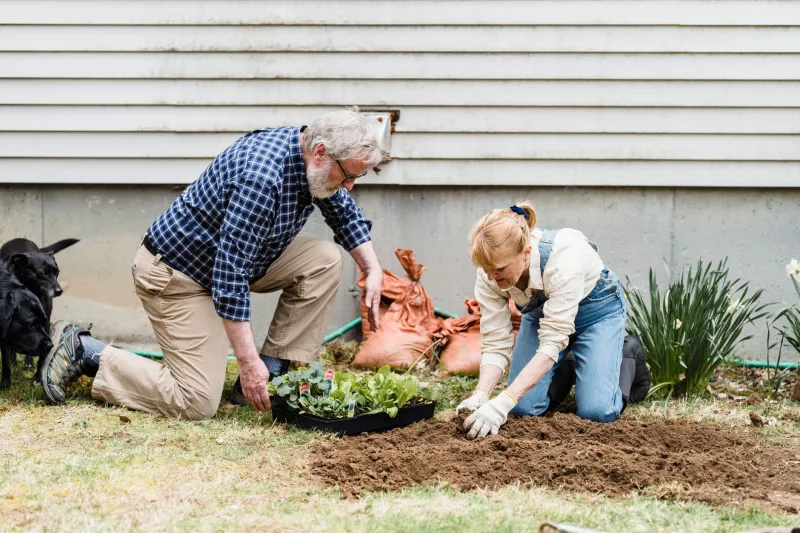
By mid-November, most gardeners have already packed it in. The tomato cages are stacked behind the shed, the annuals are brown at the edges, and the seed catalogs feel months away. But if you live somewhere the first hard freeze hasn't arrived — or if it has only grazed the edges of your yard — you're standing in one of the most useful planting windows of the year. Indian summer isn't a waiting period. It's a second act.
The Ground Is Still Talking
The mistake is treating late fall like a dead season. Soil doesn't shut off the moment the air turns crisp. In many parts of the country, the ground stays workable well into November, and sometimes into December. That means roots can still establish, bulbs can still settle in, and cool-season seeds can still germinate if you give them a little cover and a little patience.
This is also the window when garden work feels less frantic. There's no July pressure to water everything twice a day. The light is lower, the air is cleaner, and the whole yard feels like it's exhaling. Use that. A quiet hour with a trowel and a bag of compost can do more for next spring than a panicked Saturday in April.
What to Plant Before the First Hard Freeze
Spring bulbs are the obvious headliner, and for good reason. Tulips, daffodils, alliums, crocus, and snowdrops need a stretch of cold to do their thing. Plant them now, pointed end up, at a depth roughly three times their height. If your ground is still soft, you're in luck. If it's already crusted, don't force it — wait for a thaw or plant in containers you can shelter.
Garlic is another late-season all-star. Separate cloves from the bulb, plant them pointed end up about two inches deep, and mulch once the soil cools. In milder zones, they'll put down roots before winter and reward you with fatter heads in July.
For cool-season crops, think greens with attitude. Spinach, kale, arugula, mâche, and lettuce can still go in across Zones 7 through 10, especially if you have a cold frame or row cover. Radishes are fast enough to make a late showing in mild areas. Cover crops like crimson clover or winter rye are worth planting anywhere you want to protect bare soil and feed it for spring.
A Rough Zone-by-Zone Reality Check
In Zones 3 and 4, the ground may already be locked or close to it. If you can still dig, get your bulbs in and mulch heavily. If you can't, shift to cleanup, protection, and planning. Drain hoses, store terra-cotta pots where they won't crack, and mark next year's beds now while you can still see the bones of the garden.
Zones 5 and 6 are often the sweet spot. You may still have a couple of workable weeks. Plant bulbs, garlic, and any last cool-season greens that can handle a light frost. Mulch after planting, but wait until the soil has chilled so you're not inviting rodents to nest in warm hay.
Zones 7 and 8 are prime time. This is where the second act really shines. Cool-season vegetables, spring bulbs, ornamental alliums, and even some perennial divisions can still go in. Keep watering newly planted things if the rain is stingy. Roots need moisture even when the air feels cool.
Zones 9 and 10 get the longest runway. This is cool-season vegetable territory: lettuce, kale, spinach, radishes, carrots, and herbs like cilantro and parsley. Watch for heat spikes, but by mid-November most of the Gulf Coast and Southern California is finally cooperating.
Soil, Mulch, and the Small Repairs That Matter
Don't work wet soil. If it clumps in your hand or slicks over the trowel, wait. Compaction is a winter-long problem you don't need. When the soil is ready, add a couple of inches of compost and turn it in gently, or just lay it on top and let the worms do the mixing.
Mulch is the quiet hero of the late-season garden. It moderates soil temperature, holds moisture, and keeps weeds from getting a head start in spring. Leaves are free and excellent. Straw works. Bark fines are fine. Just keep mulch a few inches away from stems and crowns so you're not trapping moisture where it shouldn't be.
This is also the time for small repairs: sharpen pruners, clean bird feeders, empty saucers that hold standing water, and store hoses before they freeze. None of it feels glamorous. All of it makes spring easier.
Containers Count, Too
If you garden on a balcony, patio, or rented-yard slab, the second act still belongs to you. Move containers closer to the house or a south-facing wall to borrow a little warmth. Group pots together so they insulate each other. Swap summer annuals for cold-hardy greens, ornamental kale, or small evergreens. If a hard freeze is coming, wrap pots in burlap or old blankets, or drag them into a garage for the coldest nights.
Just remember that containers freeze faster than ground beds. They dry out faster, too. Check moisture on mild afternoons and water when the top inch is dry. Good drainage is nonnegotiable. A pot that holds water in November will crack in January.
The Point Isn't Perfection
You don't have to plant the whole yard. You don't have to chase every last bulb. The point is to stay in the conversation with your garden a little longer, while the light is gold and the air smells like dry leaves and cold soil. Plant something. Mulch something. Fix one thing. The season isn't over. It's just asking you to pay attention in a different way.