Cashing In on Golden Days: The Business of Indian Summer
The Weather Window That Pays the Bills
Talk to any outdoor restaurant owner in the Northeast, the Midwest, or the Mid-Atlantic about Indian summer, and you'll hear the same thing: those unexpected warm days in October aren't just a gift from the sky. They're a lifeline.
Indian summer—that stretch of unseasonably warm, clear weather that descends after the first real cold snap of fall—creates a specific economic ripple that most people never think about while they're enjoying their alfresco lunch. But for the businesses on the other side of that table, those golden days represent a revenue category all their own.
This is the business side of the beautiful season, and it's more complicated than it looks.
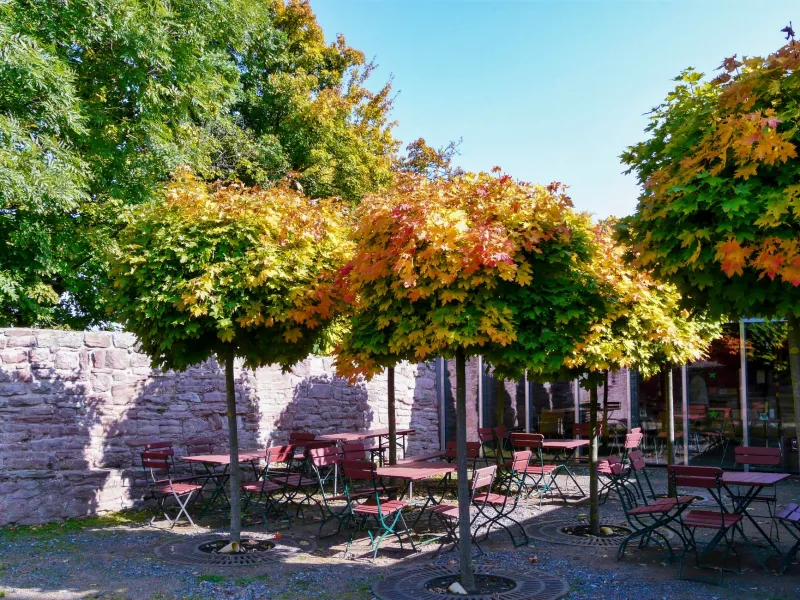
The Outdoor Dining Windfall
Patios are expensive infrastructure. Heaters, furniture, permits, staffing—outdoor dining setups represent significant capital investment that only pays off when people actually want to sit outside. In most of the country, that window closes somewhere around mid-October under normal conditions.
Indian summer extends that window, sometimes by two to three weeks. For a restaurant doing $8,000 in weekly patio revenue, that extension can mean an additional $16,000 to $24,000 before the season fully closes. In the restaurant industry, where margins hover around 3 to 5 percent, that kind of unexpected revenue can literally save a year.
Many restaurateurs have learned to plan for this possibility without banking on it. They keep patio furniture out longer than they otherwise would. They hold off on ordering the outdoor heaters until the forecast looks genuinely cold. They train staff to flip the patio setup quickly when a warm window opens. It's operational agility built around a meteorological hope.
Event Spaces and the Last Outdoor Wedding
The wedding industry has its own complicated relationship with Indian summer. October weddings have surged in popularity over the last decade—partly because of the aesthetic (golden light, turning leaves, that specific autumn magic), and partly because venues are often more available and less expensive than peak summer dates.
But outdoor October weddings are a gamble, and Indian summer is the gamble paying off. Event venues in New England, the Carolinas, and the upper Midwest have started building Indian summer packages specifically—outdoor ceremony setups with contingency tent options, late-season floral arrangements that lean into the warm-day aesthetic, catering menus that bridge summer freshness and fall heartiness.
When the weather cooperates, these events become the stuff of legend—the wedding where everyone ended up on the lawn at 10 PM in shirtsleeves, laughing under string lights in 68-degree October air. When it doesn't, the contingency plans earn their keep.
For venues, the calculus is straightforward: every outdoor October event that goes off without weather interference is pure margin. The infrastructure is already built. The staff is already hired. Indian summer is just the universe deciding to cooperate.
Pop-Ups, Farmers Markets, and the Seasonal Sprint
For smaller operators—farmers market vendors, seasonal pop-up shops, harvest festival organizers—Indian summer represents something more existential than a revenue boost. It's often the difference between a profitable season and a break-even one.
Farmers markets in most regions wind down in October. The vendors who participate in late-season markets are often the ones who've built their annual financial model around those final weeks of foot traffic. A warm, sunny October weekend can double attendance at an outdoor market compared to a cold, gray one. That difference shows up directly in vendor revenue.
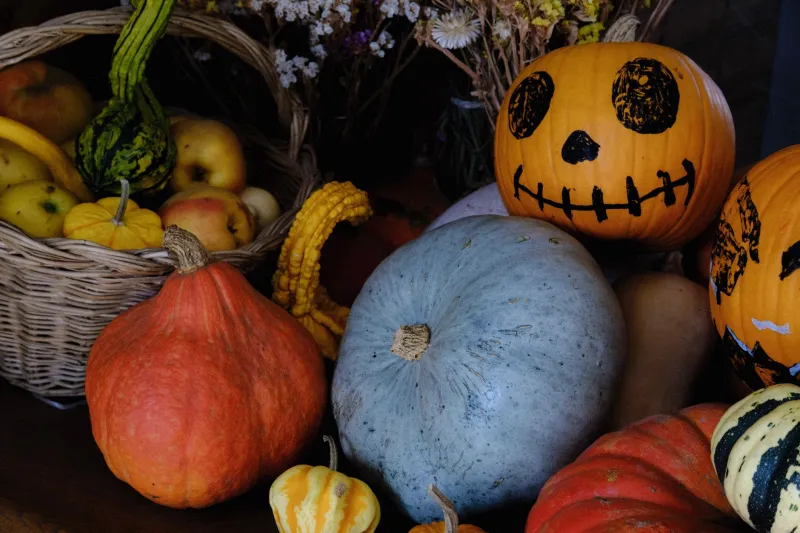
Apple orchards and pumpkin patches operate on a similar logic. Their peak window is roughly four to six weeks, and Indian summer extends the comfortable outdoor experience that drives repeat visits and impulse spending. Families who might otherwise stay home on a chilly Saturday will drive out to the orchard when it's 72 degrees and sunny. The hot cider sells the same either way; the corn maze traffic does not.
Tourism's Borrowed Time
Leaf-peeping is a genuine economic force in states like Vermont, New Hampshire, Maine, and across the Appalachian corridor. The fall foliage tourism season generates hundreds of millions of dollars annually, and Indian summer sits at a complicated intersection with it.
On one hand, warm temperatures can slightly delay or extend peak foliage windows, giving tourism operators a longer runway. On the other hand, the warmth that defines Indian summer can also suppress the dramatic color change that drives leaf-peeping in the first place. The ideal scenario for foliage tourism is warm days and cold nights—which is, not coincidentally, the exact meteorological profile of classic Indian summer.
Bed and breakfasts, tour operators, and hospitality businesses in foliage country have learned to watch the forecast obsessively. A well-timed Indian summer can extend their season by a weekend or two. A warm October that doesn't deliver the right nighttime temperatures can leave peak color muted and tourists disappointed.
When the Season Cuts Short
The other side of this story is what happens when Indian summer doesn't materialize—or worse, when it shows up briefly and then collapses into early hard winter.
Businesses that extend their outdoor operations in anticipation of warm weather take real losses when the forecast turns. Patio furniture that gets set up in early October and then battered by a surprise nor'easter. Harvest festival dates that land on a 38-degree weekend. Wedding venues scrambling to execute contingency indoor plans for 200 guests with 48 hours' notice.
The businesses that weather these disappointments best are the ones that plan for Indian summer as a bonus, not a baseline. They set their financial models around what the season reliably delivers, and treat the warm extension as pure upside when it comes.
The Lesson for Small Business Owners
If you run any kind of seasonally dependent business—outdoor hospitality, harvest tourism, event spaces, seasonal retail—Indian summer is worth building into your operational thinking without building into your financial projections.
Practically, that means: keep your outdoor setup ready to activate through mid-October. Train your team to pivot quickly when a warm window opens. Have a warm-weather marketing message ready to deploy on short notice. And when the golden days arrive, move fast—because the window closes whether you're ready or not.
The businesses that do this well don't just survive Indian summer. They make it one of the most profitable weeks of their year.