How to Build a Fragrance Wardrobe That Actually Smells Like Indian Summer
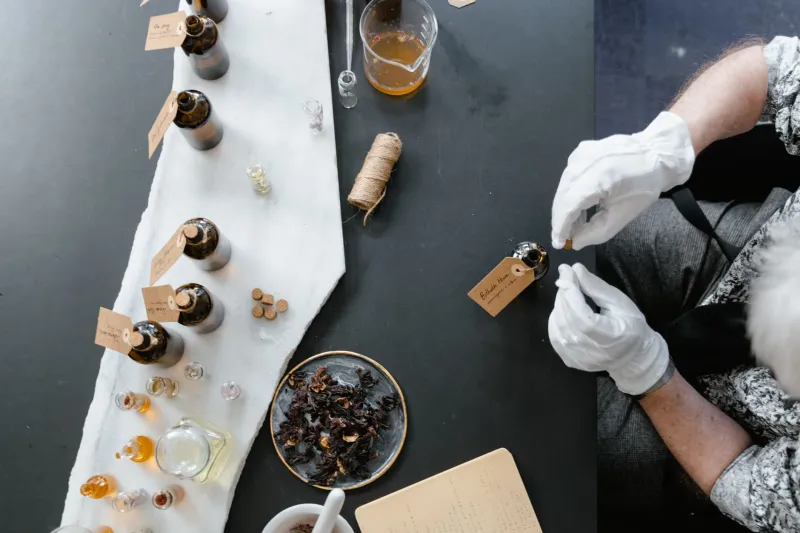
Walk into any major retailer between August and November and you'll find the same thing: walls of pumpkin, cinnamon, apple cider, and something labeled "autumn hearth" that smells like a log cabin caught fire. These are fall fragrances in the broadest possible sense. They're designed to evoke a season — but a very specific, very idealized version of it. Cold nights. Wood smoke. Baked goods.
Indian summer doesn't smell like that.
Indian summer smells like warm pavement after a light rain. Like dry leaves in full sun. Like the last of the garden herbs and a citrus peel left on a wooden table. It smells like something ending slowly rather than something beginning with a bang. And if you've ever spritzed a standard fall fragrance on a 79-degree October afternoon and felt vaguely ridiculous, you already know the problem.
Building a fragrance collection that actually fits Indian summer means understanding which aromatic notes belong to this specific moment — and which ones belong to a different season entirely.
Why Standard Fall Scents Miss the Mark
The typical autumn fragrance formula leans heavily on what perfumers call gourmand notes — vanilla, caramel, brown sugar, baked spice. These are warm, enveloping, comfort-forward scents. They're designed to feel like shelter from the cold.
But Indian summer isn't cold. It's warm and bright and a little bittersweet. The emotional register is completely different. You're not looking for shelter. You're standing in golden light knowing it won't last forever. That feeling calls for a different kind of scent — one that's warm without being heavy, complex without being suffocating, and grounded without smelling like your grandmother's kitchen.
The notes that work for Indian summer share a few qualities: they're dry rather than sweet, they have some brightness to balance the warmth, and they tend to reference the natural world rather than the kitchen. Once you know what to look for, you'll start spotting them immediately.
The Notes That Get It Right
Dry amber is the backbone of most great Indian summer fragrances. Not the thick, resinous amber that anchors heavy oriental perfumes — the lighter, more transparent amber that reads as warmth without weight. It's the olfactory equivalent of late-afternoon sunlight. Look for it listed simply as amber or as labdanum, which is the natural resin that most amber accords are built on.
Vetiver is one of the most underrated notes for this season. It's earthy and slightly smoky, but in a dry, grassy way rather than a campfire way. Vetiver smells like sun-warmed soil, which is almost exactly what Indian summer afternoons smell like if you step outside and pay attention. It grounds a fragrance without making it heavy.
Cardamom and black pepper are the spice notes that work here. Unlike cinnamon and clove — which read as cozy and cold-weather — cardamom is brighter, almost citrus-adjacent. Black pepper adds a dry sharpness that keeps a warm fragrance from going soft. Together, they create the sensation of spice without the sensation of being wrapped in a blanket.
Green and herbal notes — specifically dry ones like sage, thyme, and hay — add that end-of-season quality that's central to Indian summer's character. These aren't fresh spring herbs. They're herbs that have been in the sun all summer and are just starting to dry out. They smell like the garden in late September, which is exactly right.
Citrus with staying power rounds out the picture. Bergamot and bitter orange are better choices here than lemon or grapefruit — they have more depth, more warmth, and they last longer on the skin. A touch of citrus keeps the overall composition from going too heavy, which is critical when you're wearing fragrance in 75-degree weather.
Building the Collection
A proper Indian summer fragrance wardrobe doesn't need to be large. Three or four well-chosen scents that work together across different times of day and different conditions is more useful than a shelf full of bottles that all smell like the same generic autumn.
Think about it in terms of weight and time of day. A lighter, citrus-forward fragrance with vetiver and a touch of cardamom works beautifully for daytime — it's warm enough to feel seasonal, bright enough to wear in actual warmth. Something with more amber and dry spice works for evening, especially once the sun goes down and the temperature drops ten degrees. If you want something for the weekend, look for a scent that leads with earthy or herbal notes — something that smells like being outside rather than like being inside a cozy house.
When you're shopping, try to smell fragrances on skin rather than paper strips. Indian summer scents are particularly skin-dependent because the warmth of your body temperature changes how they develop. What smells flat on a strip might open up beautifully on warm skin — and vice versa.
What to Avoid (For Now)
This isn't about ruling anything out permanently. Vanilla-heavy fragrances, deep musks, and heavy balsam-forward scents all have their place. That place is just not Indian summer.
If a fragrance makes you feel like you should be inside with a blanket and a hot drink, it belongs to a different part of the season. Save it. It'll be perfect in December. Right now, you want something that works with the warmth, not against it — something that smells like the season you're actually in, not the one everyone's pretending has already started.
Indian summer has its own identity. Your fragrance should too.