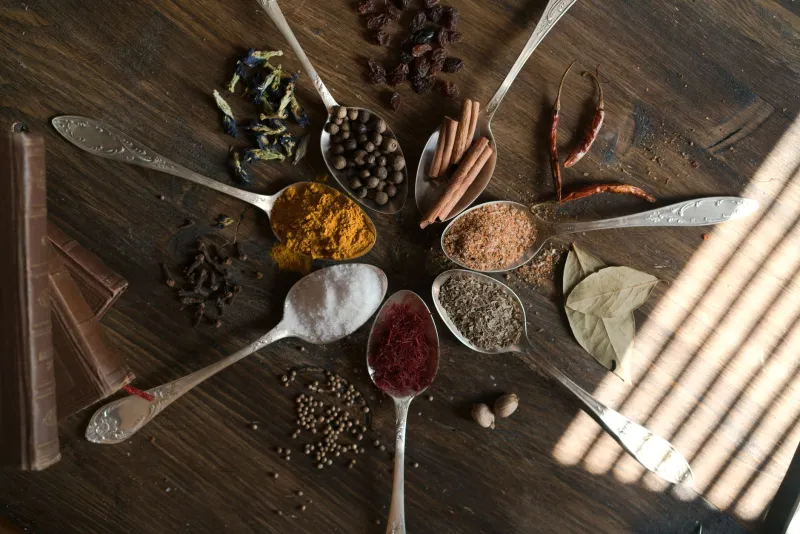
Grandma's Stuffing Has No Business Tasting This Good in 78-Degree Weather
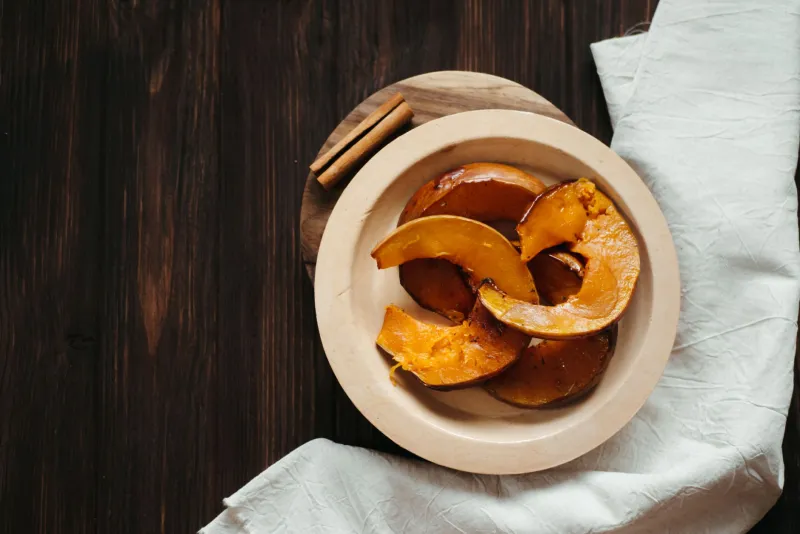
It was 76 degrees the first time I made my grandmother's stuffing without her. October, late afternoon, the kind of day where you can't quite decide if you need a fan or a sweater. I had the oven on 375. The apartment was warm in a way that felt almost wrong for the recipe — like the season hadn't shown up to its own dinner party.
And then the smell hit. Sage, butter, onion softening in a pan. Celery going translucent. Bread cubes starting to toast at the edges.
It was completely, unmistakably fall. Despite everything.
Why Smell Doesn't Care About Temperature
Here's the thing food historians and sensory researchers keep coming back to: flavor memory is almost entirely tied to aroma, and aroma doesn't require cold air to work. The compounds that make sage smell like Thanksgiving, that make roasted carrots smell like October, that make a spiced apple dessert smell like every autumn you've ever lived through — those are chemical signals, and they activate the same emotional circuitry whether it's 45 degrees outside or 78.
What we think of as "tasting like fall" is actually smelling like fall. And smell, more than any other sense, bypasses the rational brain and goes straight to memory. Straight to feeling.
This is why your grandmother's stuffing hits exactly the same way on a warm Indian summer afternoon as it does on a cold November night. The nostalgia isn't in the weather. It's in the recipe.
The Contrast Makes It Better, Actually
Food scholars who study seasonal eating have noted something counterintuitive: cooking heavy, warming dishes during unexpectedly warm weather often intensifies the sensory experience rather than diminishing it. The contrast between the warm kitchen and the still-warm outdoor air creates a kind of sensory friction that makes you more aware of what you're eating — more present, more attentive to the flavors.
When you're cold and you eat something warm, the warmth is expected. Comforting, yes, but expected. When you're already warm and you eat something built for cold weather, there's a small cognitive dissonance that forces you to actually taste the food rather than just receive it as comfort.
In other words: roasted root vegetables eaten in October heat might taste more like themselves than the same dish eaten in January.
The Recipes Worth Making Right Now
Not every heirloom fall dish needs to wait for frost. Some of them are actually better suited to Indian summer conditions than we've been led to believe.
Stuffing and dressing. Heresy to some, but a warm-weather stuffing served at room temperature — almost like a savory bread salad — is genuinely excellent. The herb flavors come forward more clearly when it's not piping hot. Try serving it alongside something bright and acidic, like a simple arugula salad with lemon, to balance the richness.
Roasted root vegetables. Carrots, parsnips, beets, sweet potatoes — these roast beautifully regardless of outdoor temperature, and they're just as good at room temp as they are hot from the oven. Roast a big pan on a Sunday, and you've got a week of fall-flavored meals that don't require heating your kitchen twice.
Spiced apple and pear desserts. A warm apple crisp with cardamom and brown sugar is one of those things that smells like the entire concept of autumn. Serve it with cold vanilla ice cream on a warm October evening and you have something that belongs to both seasons at once. It's genuinely one of the best bites of the year.
Butternut squash soup. The trick here for warm-weather serving: go slightly thinner than you normally would, chill it completely, and serve it as a cold soup. Sounds wrong. Tastes like a revelation. The spices — nutmeg, ginger, a little cayenne — hit completely differently when the soup is cold.
Adjusting Without Losing the Soul
The goal isn't to redesign your family recipes for summer. It's to honor them in the conditions you actually have. A few practical shifts that preserve the spirit:
- Reduce oven time slightly on warm days — your kitchen will hold heat differently, and things can overcook faster than you expect.
- Lean on fresh herbs as a finishing touch. Dried herbs do the heavy lifting in the cooking process, but a handful of fresh sage or thyme added at the end brightens everything without changing the essential flavor.
- Serve in smaller portions with more sides if the richness feels like too much in the heat. The dish is still the centerpiece — it just shares the table more generously.
- Let things rest and cool before serving. Most fall dishes — braises, roasts, gratins — actually develop more complex flavor as they cool slightly. Don't rush the plate.
The Kitchen Is the Season
There's something almost defiant about making a full, old-fashioned fall meal when the weather hasn't cooperated. Like you're declaring that the season exists in the kitchen even if it hasn't arrived outside. Which, honestly, is true.
Family recipes carry their own climate. Sage and brown butter don't need a cold front to do their job. The stuffing doesn't check the forecast before it tastes like memory.
Make the recipe. Open the windows. Let the warm air and the fall smells mix together into something that doesn't have a name but feels exactly right.
That's Indian summer cooking. And it's better than it has any right to be.