Golden Days, Global Traditions: How the World Celebrates Its Own Indian Summer
If you've ever stood outside on a warm October afternoon, squinting into amber sunlight that has no business being this beautiful this late in the year, you already understand Indian summer on a gut level. What you might not know is that people across six continents have been having that exact same feeling — and building traditions around it — for centuries.
The name is American. The phenomenon is universal. And the way different cultures lean into their version of these golden in-between days says a lot about how humans, everywhere, feel about warmth, abundance, and the slow arrival of winter.
Here's a tour through some of the world's most beloved golden-season traditions — and a few reasons why the aesthetic we celebrate at Indian Summer Shop feels less like a niche American thing and more like a deeply human one.
Germany and Austria: Altweibersommer (Old Wives' Summer)
In German-speaking countries, the equivalent of Indian summer goes by one of the most evocative names in any language: Altweibersommer, which translates loosely to "old wives' summer" or "old women's summer." The name comes from the gossamer threads of spider silk that drift through the air during these warm September and October days — fine, white strands that old folklore associated with the spinning of aged women or the hair of witches.
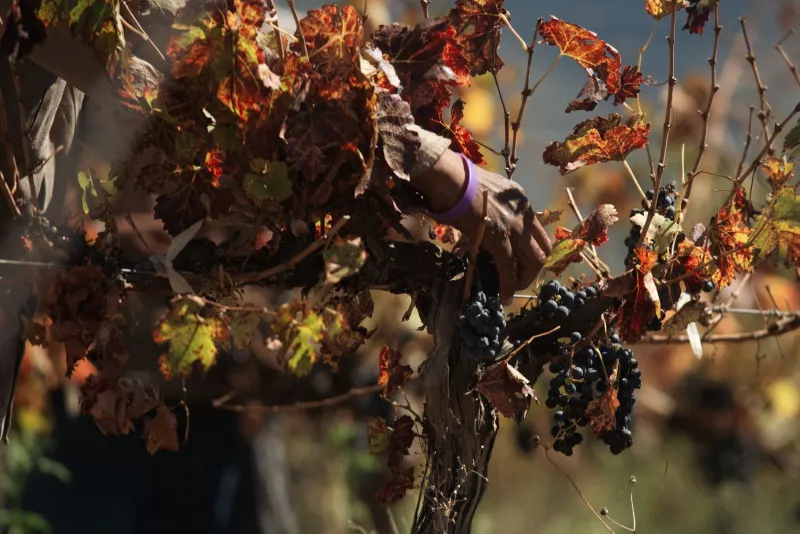
Creepy etymology aside, Altweibersommer is genuinely beloved. German culture marks this period with outdoor festivals, long walks through forests turning gold and copper, and — perhaps most importantly — a serious commitment to wine. The Weinfest season in regions like the Rhineland and Moselle Valley overlaps almost perfectly with these warm spells, and locals and tourists alike spend the last warm weekends of the year at open-air wine festivals surrounded by vineyards in full autumn color.
The food is hearty and seasonal: roasted chestnuts, fresh-pressed apple juice, and dishes built around the harvest. The vibe is celebratory but tinged with the awareness that cold weather is coming. Sound familiar?
United Kingdom and Ireland: St. Luke's Little Summer
The British Isles have several names for their version of late-season warmth, but the most charming might be St. Luke's Little Summer, which falls around October 18th — the feast day of St. Luke. There's also St. Martin's Summer, tied to November 11th, which tends to describe a slightly later warm spell.
In England, these periods have historically been associated with the final push of agricultural harvest and a window of time when people could finish outdoor work before the dark and cold of November settled in. Today, they're more likely to mean a surprise run of mild days that sends Brits flooding into parks and pub beer gardens, making the most of weather that feels like it belongs to a different month.
The cultural response is very British: a mixture of delight, disbelief, and mild suspicion that something is about to go wrong. But the warm days are genuinely celebrated, and autumn farmers markets, harvest fairs, and outdoor events are timed to catch exactly these windows.
France: L'Été de la Saint-Martin
France shares the St. Martin's Summer tradition with much of Catholic Europe, but the French bring their own particular flair to it. In wine-producing regions — which is most of France, let's be honest — this warm period is intimately connected to the vendange, the grape harvest. Warm, dry days in late October are practically sacred to winemakers, who may still have grapes on the vine and need every bit of late-season sun they can get.
Beyond the vineyards, the French mark this season with outdoor markets, mushroom foraging (chanterelles and cèpes are at peak season), and a general cultural insistence on eating well and sitting outside for as long as the weather permits. There's a term — profiter du beau temps — that roughly means "making the most of good weather," and the French take it seriously in a way that Americans could genuinely learn from.
Japan: Koharu Biyori (Little Spring Days)
Japan has a concept called koharu biyori (小春日和), which literally translates to "little spring weather" but refers to warm, clear days in late autumn — specifically around what the traditional Japanese calendar calls kannazuki, the tenth lunar month. It's the inverse of the Western framing: rather than describing these days as a last gasp of summer, Japanese culture frames them as a brief return of spring-like gentleness.
The aesthetic is soft and golden — warm light, dry leaves, the particular quality of November sun when the air is clear and still. Koharu biyori days are considered ideal for outdoor activities, and the overlap with koyo (autumn foliage season) means these warm spells often coincide with peak fall color viewing. Families and friends head to parks, temple gardens, and mountain trails to experience the combination of warm sun and blazing leaf color — which, if you think about it, is the platonic ideal of Indian summer.
Russia and Eastern Europe: Babiye Leto (Women's Summer)
Across Russia, Ukraine, Poland, and much of Eastern Europe, the warm spell of early September is called babiye leto in Russian — "women's summer" or "grandmothers' summer." Like the German Altweibersommer, the name has folkloric roots connecting the fine spider silk of the season to women's spinning and weaving.
In Russia, babiye leto is deeply embedded in cultural memory. It appears in literature, poetry, and music as a metaphor for late-life warmth, second chances, and the bittersweet beauty of things that arrive after you've stopped expecting them. The season is associated with the last of the summer dacha (country cottage) season, with mushroom and berry foraging, and with a general cultural pause before the long Russian winter truly sets in.
The emotional weight here is significant — perhaps heavier than in American Indian summer culture. When the warmth arrives after the first cold snaps, it feels genuinely miraculous.
Australia and New Zealand: The Southern Hemisphere Flip
In the Southern Hemisphere, the calendar is reversed, which means the equivalent of Indian summer falls in April and May — the tail end of their autumn, just before winter. In parts of Australia, particularly in Victoria and South Australia wine country, these warm autumn days are celebrated much like their Northern Hemisphere counterparts: harvest festivals, outdoor dining, and a collective appreciation for weather that feels borrowed.
New Zealand's version, particularly in the South Island, often comes with the dramatic backdrop of snow-capped mountains and golden beech forests — a combination that makes the warm days feel even more surreal and precious.
What All of This Tells Us
Every culture on this list has developed its own language, its own rituals, and its own aesthetic for the same basic phenomenon: warm, golden days arriving after the season has technically turned. The details vary wildly — wine festivals versus mushroom foraging, spider silk folklore versus Buddhist temple gardens — but the emotional core is identical.
We love these days because they feel like grace. Like something extra. Like the universe giving us a little more time.
At Indian Summer Shop, that's exactly the feeling we're building around. Not just the American version of it, but the universal human experience of standing in warm October light and knowing, all the way down, that this is something worth celebrating.
However your golden season arrives — and wherever in the world you are when it does — we're glad you're here for it.