Stop Trying to Bottle It: The Beautiful Trap of Indian Summer Nostalgia

There's a particular kind of sadness that shows up around this time of year. Not grief, exactly. More like a low hum of awareness — the feeling that something beautiful is slipping through your fingers even as you're holding it. You're sitting outside in a flannel shirt on a Wednesday afternoon in mid-October, the sun still warm enough to make you squint, and instead of just being there, you're already thinking about how much you're going to miss this.
Welcome to the Indian summer nostalgia trap. Population: all of us.
The Season That Feels Like a Gift and a Warning
Indian summer is unique in the seasonal calendar because it arrives already pre-loaded with meaning. Unlike spring, which feels like a beginning, or even early fall, which feels like a transition, Indian summer feels like a reprieve — a few extra days granted after the clock has already started winding down. And that's exactly what makes it so emotionally loaded.
Psychologists call this anticipatory grief: the experience of mourning something before it's actually gone. Most of us associate it with big life events — a move, a breakup, a kid leaving for college. But Indian summer triggers a miniature version of this every single year, right on schedule. The season is warm and generous, but it comes with an expiration date stamped right on the front, and our brains can't stop reading it.
That's not a flaw in how we experience the season. It's actually what gives Indian summer its particular emotional texture. But it does raise a real question: are we actually living these golden days, or are we spending them curating memories of days we haven't finished having yet?
How Retailers (Including Us) Play Into It
Let's be honest about something. The nostalgia around Indian summer isn't purely organic — it's also actively cultivated. By brands, by social media aesthetics, by the entire autumnal content ecosystem that kicks into gear the moment temperatures dip below 70 degrees.
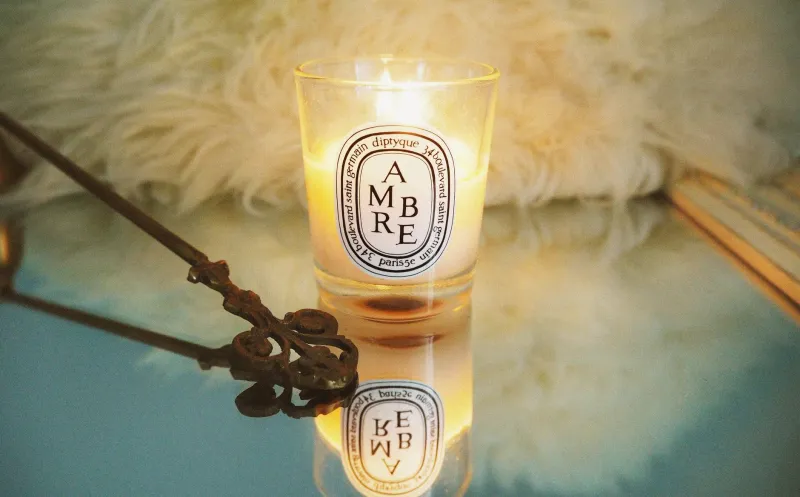
Candles that smell like woodsmoke and dried leaves. Chunky knit throws draped over porch furniture. Amber-toned everything. These products — and yes, the kinds of things you'll find at indiansummershop.com — are selling a feeling as much as an object. And the feeling they're selling is this: the warmth, the light, the sense that everything is exactly right for just a moment before the cold comes.
There's nothing wrong with that. Creating objects and environments that help you connect with a season you love is genuinely meaningful. The trouble starts when the pursuit of the aesthetic replaces the actual experience of the season. When you're so busy finding the right mug and the right playlist and the right throw blanket to photograph that the afternoon is gone before you looked up.
The products are meant to anchor you to the moment. When they start pulling you out of it, something's gone sideways.
The Memory We're Actually Chasing
Here's the thing about Indian summer nostalgia: it's rarely about this year's Indian summer. It's about every Indian summer you've ever had. The one when you were twelve and school had just started and you got a bonus week of summer that felt like a secret. The one during a particularly hard year when a few warm October days felt like the universe cutting you a break.
Nostalgia researchers — yes, this is a real field — have found that nostalgic memories tend to be social, sensory, and emotionally warm. They involve people we love, physical sensations we can almost re-experience just by thinking about them, and a sense of meaning or significance. Indian summer checks every single one of those boxes. No wonder we keep trying to recreate it.
But here's the catch: the version we're chasing doesn't exist in the present. It's a composite. A greatest-hits version assembled from years of October afternoons, filtered through the soft lens of memory. The actual Indian summer happening right now — with its weird warm patches and unpredictable cold snaps and the fact that you have a work deadline and your back hurts — is messier and more complicated than the one we remember.
And yet. It's also the only real one.
What It Actually Means to Embrace the Season
There's a concept in mindfulness practice sometimes called savoring — the deliberate, conscious enjoyment of a positive experience while it's happening. It sounds simple, but it runs directly against our instinct to document, filter, and archive everything into a version we can revisit later.
Savoring Indian summer means letting it be imperfect. It means sitting outside without your phone. It means wearing the cozy sweater because it feels good, not because it photographs well. It means letting the afternoon light do its thing without trying to capture it in a flat lay.
It also means — and this is the part that feels counterintuitive — accepting that it's going to end. The fleeting quality of Indian summer isn't a bug. It's the feature. The warmth means more because it won't last. The light is more beautiful because it's borrowed. Trying to freeze it, bottle it, or extend it through sheer accumulation of autumn-coded products is a little like trying to hold water in your hands. You can do it for a second. Then it's gone anyway.
A Different Way to Shop the Season
None of this means you shouldn't buy things you love. It means buying them for the right reasons. A beautiful piece that genuinely makes your home feel warmer, that you'll use every fall for years, that connects you to a season you love — that's meaningful. It adds something real.
The question worth asking, when you're deep in an autumn haul, is whether you're buying toward the experience or away from the feeling. Are you adding to your life, or filling a gap that's actually just the ordinary, bittersweet awareness that time moves?
Indian summer is going to do what it always does. It's going to show up warm and golden and too short. It's going to make you feel things you can't quite name. And then it's going to leave.
The best thing you can do — maybe the only thing — is be in it while it's here.
Not photographing it. Not shopping it. Not pre-grieving it.
Just in it.