Two Closets, One Season: The Fall Wardrobe Split Nobody Talks About
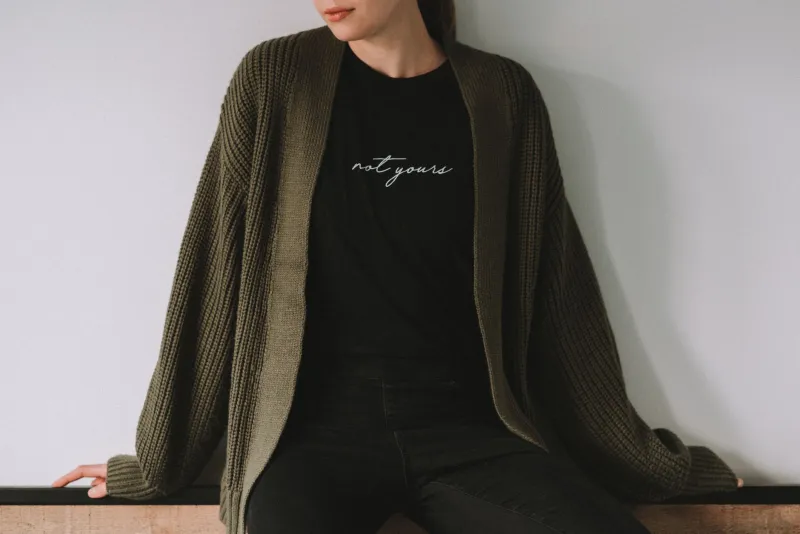
Somewhere in your closet right now, there's probably a chunky knit sweater still in the bag from last September. And hanging right next to it — or maybe stuffed in a drawer — is a linen-blend button-down you bought because it was technically fall but still 82 degrees at noon. Both purchases made perfect sense at the time. Both are distinctly autumnal. And somehow, neither one works on the same day.
Welcome to the Indian summer wardrobe paradox: the very specific styling problem that turns a single season into two completely different closets.
How You End Up With a Double Wardrobe Without Trying
It doesn't happen all at once. It starts with a Saturday morning in late September when the air smells like fallen leaves but your car thermometer reads 79. You reach for jeans and immediately regret it. So you make a mental note — lighter pants — and the next time you're near a store, you pick up something that reads as fall without actually being warm.
Then a cold front blows through for exactly four days, and suddenly that linen situation feels absurd. You want texture. You want weight. You want the rust-colored oversized cardigan you've been eyeing since August. So you buy it. And then the warm weather comes back, and there it sits.
Repeat this a few times across a season and you've quietly built two complete fall aesthetics: the wishful wardrobe and the practical wardrobe. The wishful one looks like a Pinterest board. The practical one looks like late summer with a burnt-orange scarf thrown on top.
The Psychology Behind Buying Both Anyway
Here's the thing — you probably already know, somewhere in the back of your mind, that half of what you're buying won't get worn. And yet the cart fills up. Why?
Part of it is aspirational dressing. When you buy the heavy wool blazer in October, you're not just buying a blazer. You're buying the version of fall you want to be living. The one with apple orchards and bonfires and breath you can see. Your brain is making a purchase based on a feeling, not a forecast.
The other part is timing anxiety. Indian summer is, by nature, borrowed time. Those warm days feel fleeting even when they're stretching on for weeks, which creates a low-level urgency around fall shopping. If I don't buy the cozy pieces now, I'll miss the window. The problem is that the lightweight transitional pieces trigger the same urgency from the opposite direction. If I don't grab something wearable for right now, I'll spend October sweating through a flannel shirt.
Retailers know this, by the way. Most major clothing brands are operating on a buying calendar that has almost nothing to do with actual weather. By the time Indian summer hits in your city, stores are already stocked for what they think November should look like. That mismatch between what's on the rack and what you actually need on a 76-degree Tuesday is part of what drives the double-purchase spiral.
The Retailer's Impossible Guessing Game
Ask anyone who works in fashion merchandising and they'll tell you: Indian summer is a nightmare to plan for. Buying decisions get made six to nine months in advance, which means a buyer sitting in a showroom in March is trying to predict whether October in Atlanta will call for a trench coat or a tank top. Spoiler: it might call for both, on the same week.
This is why you see such a strange mix on store floors in September and October — full winter coats hanging across the aisle from short-sleeve dresses that are technically still available but feel weirdly out of season. Retailers are hedging. They're stocking for the fall they expect and the fall that statistically still has warm days built in, because they've been burned before by betting too hard in either direction.
The result is that you, the shopper, absorb that confusion directly into your wardrobe.
What a Smarter Indian Summer Wardrobe Actually Looks Like
The good news: you don't have to choose between the two wardrobes. You just have to stop treating them like separate things.
Invest in genuine swing pieces. There are items that legitimately work across a 30-degree temperature range — lightweight quilted vests, open-weave cardigans, unlined denim jackets, and long-sleeve shirts in breathable fabrics like modal or bamboo blends. These aren't compromise pieces. They're the actual workhorses of an Indian summer wardrobe, and they deserve more closet real estate than they usually get.
Buy the cozy pieces, but be honest about timing. If you're buying a heavy knit sweater in early October and you live somewhere with a long warm season, put it away. Literally. Don't let it haunt your daily getting-dressed routine as a guilt object. Fold it up, set a calendar reminder for when temperatures actually drop, and let it be a future gift to yourself.
Anchor your palette instead of your weight. The reason two wardrobes feel so disjointed is usually less about temperature and more about visual cohesion. If your lightweight transitional pieces and your full fall pieces share a color story — warm neutrals, earthy tones, the amber-and-rust palette that Indian summer practically demands — they'll feel like one wardrobe even when they're solving different weather problems.
Stop shopping the calendar, start shopping the forecast. This sounds obvious, but it's genuinely countercultural in a world where retail pushes fall in August. Give yourself permission to still be buying transitional pieces in October if that's what your actual weather requires. The stores might be moving on to holiday, but your closet doesn't have to.
The Real Reason This Season Is So Hard to Dress For
Indian summer doesn't fit neatly into any retail category, any styling formula, or any seasonal dressing rule you've ever been taught. It's the season that exists between the seasons, and it creates a wardrobe that exists between two wardrobes.
But that's also what makes it interesting. Getting dressed during Indian summer is a daily negotiation between the weather you have and the season you want. That tension — between the warmth that's still here and the fall that's coming — is exactly what makes this time of year feel so alive.
You don't need to solve the paradox. You just need to stop letting it cost you money on pieces that sit unworn while you figure it out.