Pumpkin Spice in July Heat: The Psychology of Craving Fall Before Fall Arrives
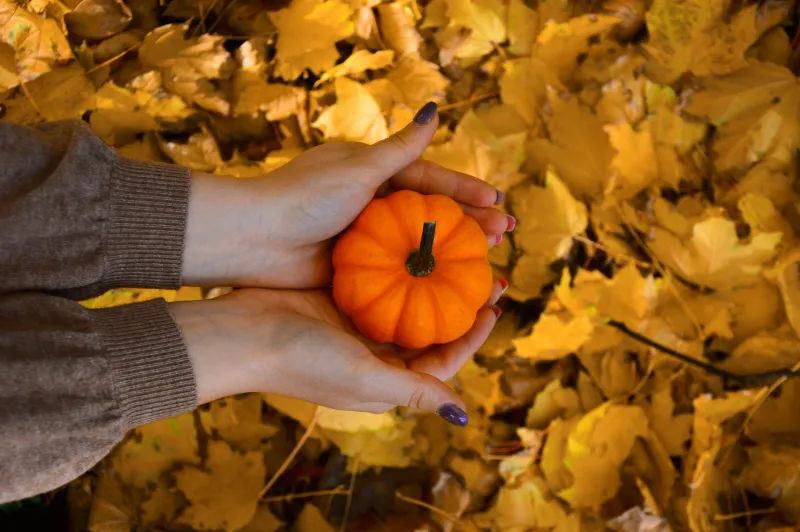
Picture this: it's late October, the sun is blazing, your car's AC is running full blast, and somehow you're still sipping a pumpkin spice latte while mentally planning your Halloween decorations. You know it's warm. Your body definitely knows it's warm. And yet, every instinct in you is screaming autumn.
Welcome to the Indian summer paradox — one of the most uniquely American emotional experiences on the calendar.
Your Brain Is Running on a Different Clock
Here's the thing about human beings: we're deeply calendar-driven creatures. Psychologists call it "temporal landmarks" — specific dates or seasonal transitions that act like mental reset buttons. The arrival of October, regardless of what the weather's doing outside, flips a switch in most Americans' brains.
Suddenly, you're not just a person who drinks coffee. You're a person who drinks fall coffee. The leaves haven't dropped yet. The air is still thick and warm. But your internal calendar has already moved on.
This isn't weakness or trendiness — it's actually a pretty sophisticated psychological mechanism. Our brains crave predictability and ritual, especially during seasonal transitions. When the actual weather refuses to cooperate with the calendar, we compensate by leaning even harder into the symbolic markers of the season: the scents, the textures, the colors, the aesthetic.
Indian summer — that gorgeous stretch of warm, golden days that sneaks in after the first cold snap — throws a wrench into that system. And the result is this delicious tension between what we feel physically and what we want emotionally.
The Comfort Ritual Runs Deeper Than Trends
It's easy to roll your eyes at the pumpkin spice industrial complex, but the underlying impulse is genuinely human. Fall rituals in American culture carry a weight that goes way beyond seasonal marketing. They're tied to school years starting, families gathering, the smell of your grandmother's kitchen, football Sundays, and the first time you wore your favorite sweater three years ago.
When Indian summer delays the environmental cues — the crisp air, the crunchy leaves underfoot — we don't abandon those associations. We actually chase them harder. Researchers who study consumer behavior have noted that people living in warmer climates (think Southern California or Texas) often over-index on fall décor and seasonal products precisely because the weather never fully delivers the atmospheric experience they're emotionally expecting.
In other words: the less fall feels like fall, the more we need fall to look like fall.
The Aesthetic Fills the Gap
This is exactly where the Indian Summer Shop philosophy lives. When the temperature is still flirting with the upper 70s but your soul is ready for amber candlelight and cozy textures, the right products become a kind of emotional bridge. A warm-toned throw draped over your couch doesn't cool your house down — but it absolutely changes how the space feels. A linen shirt in a burnt sienna or harvest gold works beautifully in 75-degree weather while still reading as autumn in the most satisfying way.
The products that resonate most during Indian summer aren't the ones that fight the warmth — they're the ones that celebrate the in-between. Light layers instead of heavy knits. Earthy palettes that reflect the golden-hour light this season is famous for. Décor that leans into that rich, late-season glow without making your living room feel like a sauna.
Indian summer has its own aesthetic identity, and it's genuinely different from deep-fall vibes. It's warmer, airier, more sun-drenched — and the best seasonal products honor that instead of pretending it's already November.
Why Americans Feel This More Intensely
The United States has a particularly strong relationship with fall as a cultural season. Unlike many parts of the world where seasonal transitions are more gradual or less symbolically loaded, American culture has built an enormous amount of identity around autumn. Back-to-school energy, Thanksgiving prep, Halloween — these aren't just holidays, they're cultural touchstones that start generating anticipation weeks in advance.
Combine that with the fact that Indian summer is a distinctly North American weather phenomenon, and you've got a situation where the tension between seasonal expectation and actual experience is uniquely pronounced here. Canadians feel it too, but the American consumer market has built an entire ecosystem around fall readiness that amplifies the psychological dissonance.
Social media hasn't helped — or rather, it's helped a lot if you're someone who sells fall products. When your feed fills up with apple orchard photos and latte art in September, your brain starts processing "fall" as a social event as much as a meteorological one. Indian summer then becomes almost a form of denial — reality insisting it's still warm while the entire cultural conversation has moved on.
Leaning Into the Paradox Instead of Fighting It
The healthiest (and honestly most fun) response to the Indian summer paradox isn't to wait for perfect fall weather before embracing the season. It's to meet the moment where it actually is — warm sun, long golden afternoons, that specific quality of late-October light that feels borrowed and beautiful.
Stock your space with textures that feel seasonal without feeling suffocating. Reach for pieces that layer easily so you can adapt as the temperature swings — and it will swing, sometimes within the same day. Choose colors and scents that signal autumn to your brain without requiring a parka to justify them.
Your body knows it's warm. Your mind wants fall. Indian summer is the season that says: you can have both.
And honestly? That's kind of the best deal going.