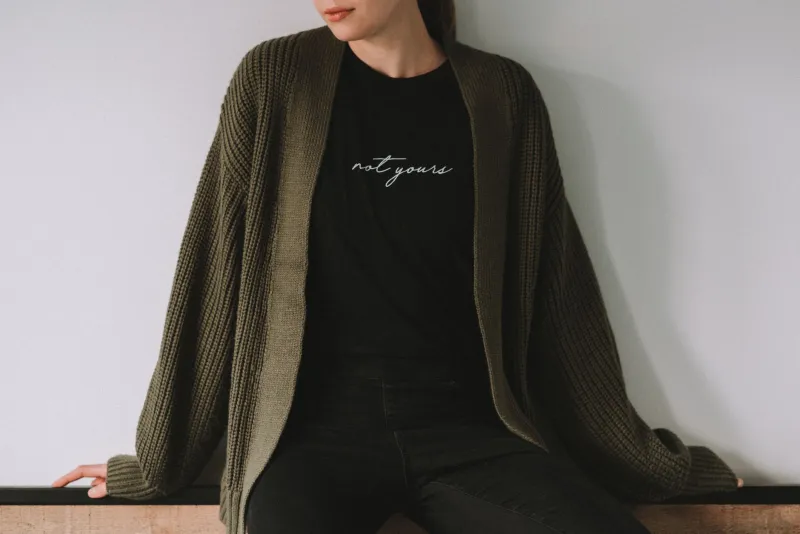
Dressed for the In-Between: Why Your Fall Outfit Has an Expiration Date
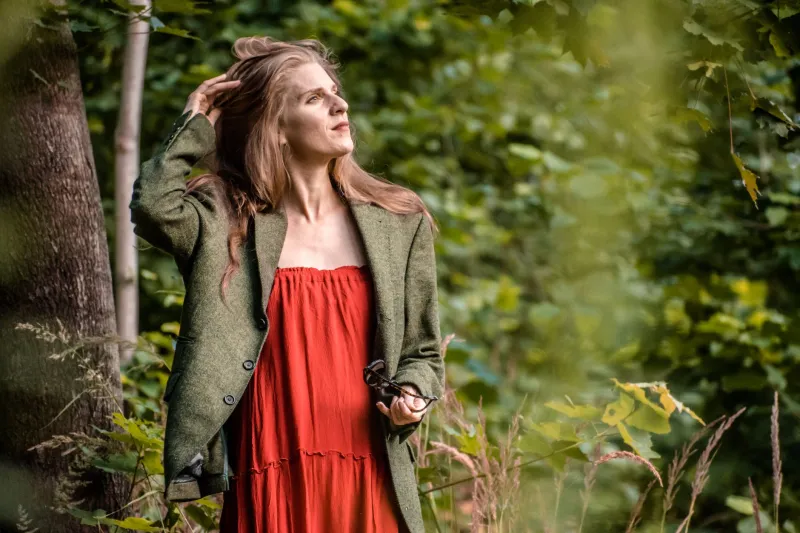
There's a specific kind of style confidence that only shows up during Indian summer. You walk out the door in a linen-blend top, a pair of wide-leg trousers in a warm terracotta shade, and slides that probably should've been retired two weeks ago — and somehow, everything lands. The light hits your outfit the way a photographer would arrange it. You feel like you figured something out.
Then November rolls around. Maybe the temperature is still hanging in the mid-60s. Maybe you reach for the same pieces, thinking you'll recreate the magic. And it just doesn't work. The outfit feels off. A little sad, even. Like wearing a swimsuit to a bonfire.
So what's actually happening here?
Indian Summer Has Its Own Visual Language
The honest answer is that dressing well isn't just about temperature — it's about context. And Indian summer has a very particular visual context that makes certain style choices feel intentional rather than confused.
Think about what's actually happening outside during those golden late-September and early-October days. The light is lower and warmer in tone than August light. Leaves have started turning but haven't fully dropped. There's a haze to the sky that softens everything. Your surroundings are doing a lot of the work, aesthetically speaking, and your outfit is in conversation with all of that.
When you wear ochre, dusty rose, sage, or warm camel during Indian summer, you're not just picking fall colors — you're matching the actual visual temperature of the world around you. It's environmental coordination, whether you planned it that way or not.
By November, that backdrop has changed. The light is cooler and more direct. Trees are bare or close to it. The palette outside has gone from golden-warm to gray-brown. And suddenly, that same ochre blazer isn't harmonizing with anything — it's competing with a landscape that has moved on without it.
The Fabric Problem Nobody Names
Beyond color, there's a fabric conversation that Indian summer demands — and it's one that traditional fall style guides completely ignore.
Standard fall fashion advice pushes wool, heavy knits, corduroy, and flannel the moment August ends. And those fabrics are genuinely great — eventually. But if you're navigating 70-degree afternoons in late September, a chunky wool sweater isn't just uncomfortable. It looks wrong because it reads wrong. There's a visual weight to heavy fabrics that our brains associate with cold air. When the air isn't cold, the outfit sends a mixed signal.
Indian summer calls for what you might think of as transitional-weight fabrics — the ones that look substantial without being oppressive. Linen blends, lightweight cotton twills, unlined blazers, open-weave knits, chambray in richer fall tones. These fabrics have enough structure to feel intentional but enough breathability to make sense in warm afternoon air.
The expiration date on these pieces isn't about temperature, exactly. It's about the point at which the visual logic stops adding up. Once the season fully commits to cold — once frost shows up in the morning and the afternoon high barely clears 50 — those lighter fabrics start to look like denial. Like you're refusing to admit something.
Why the Same Colors Hit Differently Across the Season
Here's where it gets genuinely interesting from a styling psychology standpoint: the exact same color can read completely differently depending on when you wear it and what surrounds it.
Burnt orange in early October? Feels like you're leaning into the season, matching the maples, celebrating the warmth. Burnt orange in mid-November? Suddenly it reads as an aggressive statement, almost nostalgic in a way that draws attention to itself.
This is because color perception is heavily contextual. We don't experience colors in isolation — we experience them in relation to everything else in our visual field. Your outfit exists inside a season, not apart from it. Indian summer's warm, amber-filtered aesthetic creates an environment where warm-toned clothing feels native. Once that environment shifts, the same clothing feels imported from a place that no longer exists.
This is also why certain neutrals — warm whites, sand, soft camel — tend to have a longer runway than more saturated seasonal colors. They're less tied to a specific moment and more adaptable to shifting backdrops.
Building the Indian Summer Capsule (With Eyes Open)
None of this means you shouldn't invest in Indian summer pieces. It just means going in with realistic expectations about what you're actually buying.
When you pick up a lightweight rust-colored linen blazer or a pair of wide-leg trousers in a warm olive shade, you're buying a piece that has a specific season window — roughly late August through mid-October, depending on your region. That's not a flaw. That's a feature. Some of the best things in life are time-limited.
A few things worth keeping in mind when you're building out this part of your wardrobe:
Lean into texture over weight. Pieces with visual interest — subtle weaves, soft draping, relaxed silhouettes — photograph better in Indian summer light and feel more intentional than heavy fabrics that are clearly waiting for a cold front that hasn't arrived yet.
Treat the color palette like a gradient. Early Indian summer can handle more warmth and saturation. As the weeks progress and the light shifts, start pulling in cooler neutrals and deeper tones. Think of it as walking the outfit slowly toward winter rather than flipping a switch.
Footwear is where the season turns first. The moment you swap slides or open-toe mules for actual boots, the visual language of your outfit shifts dramatically. Footwear is a surprisingly powerful signal about what season your brain is in — and it can make or break whether a transitional outfit reads as intentional or confused.
Layer for flexibility, not warmth. Indian summer layering isn't about staying warm — it's about having visual options as the light changes throughout the day. A lightweight duster or unlined jacket gives you something to work with when the afternoon cools without making you look like you're bracing for a blizzard.
The Outfit That Knows What Season It Is
There's something genuinely satisfying about dressing in sync with the world around you — not just the calendar, but the actual sky, the actual light, the actual temperature of the air on your skin. Indian summer offers this very specific window where the right outfit can feel almost cosmically appropriate. Like you and the season arrived at the same conclusion independently.
The pieces that work in that window aren't wrong when the window closes. They're just done with their job. And there's something kind of beautiful about that — wearing something fully while it's right, then letting it rest until next year when the golden days come back around.
That's really what Indian summer style is about. Not dressing for where fall is supposed to be on the calendar. Dressing for where it actually is, right now, outside your window.