Filtered and Fleeting: What Happens When Indian Summer Becomes Content
The Shot That Started It
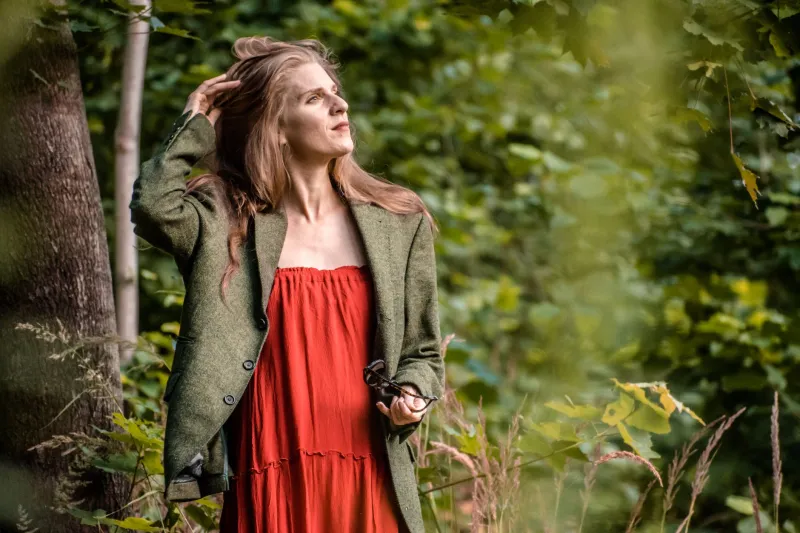
You know the image. Oversized flannel, pumpkin spice something in hand, leaves in mid-turn on the trees behind, golden light hitting everything at exactly the right angle. It's been replicated millions of times across Instagram, TikTok, and Pinterest, and it represents something real—the genuine beauty of Indian summer light, the specific warmth of a late October afternoon—filtered through the logic of content creation.
The question worth asking is whether that image captures Indian summer or replaces it.
Over the last decade, social media has done something genuinely strange to seasonal experience. It's taken weather phenomena that used to be private and local—a warm week in October that you'd remember vaguely for years—and turned them into aesthetic categories, complete with hashtags, influencer checklists, and shopping guides. Indian summer has been especially transformed by this shift, because its visual qualities are almost tailor-made for the platforms that reward beautiful, warm-toned imagery.
The result is a season that's simultaneously more documented and more mediated than it's ever been.
The Aesthetic Economy of Autumn
Let's talk about what actually drives Indian summer content, because it's not purely about sharing a beautiful day with friends.
Platforms like Instagram and Pinterest operate on engagement economics that reward specific visual languages. Warm tones, soft light, textural contrast, and seasonal signifiers—think plaid, dried botanicals, terracotta, and amber—perform reliably well in the fall content window. Content creators have learned this, and they've built their autumn posting calendars around it.
This creates a feedback loop with real commercial consequences. When a particular aesthetic performs well—say, the "cozy outdoor table with flannel and foliage" setup—brands and retailers notice. They start producing products that fit that frame. Shoppers start looking for those products. And suddenly, an organic weather moment has a full supply chain behind it.
Indian summer used to be a pleasant surprise. Now it's a content vertical.
That's not entirely cynical. The products that have emerged from this aesthetic culture—the well-made flannels, the thoughtfully designed seasonal home goods, the layering pieces built for that specific temperature range—are often genuinely good. The aesthetic drove the demand, and the demand drove quality. That's not nothing.
But it does mean that how we experience Indian summer is increasingly shaped by how it photographs, rather than how it feels.
What We Wear When the Camera's Rolling
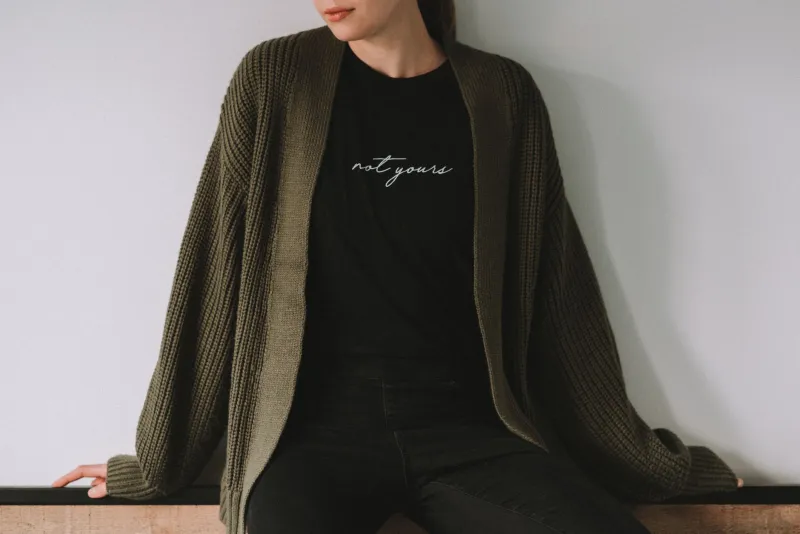
The Indian summer wardrobe has become one of the most content-optimized dressing categories in American fashion. Think about what actually works for this weather: light layers, earth tones, transitional fabrics that look autumnal without overheating you. It's a genuinely specific brief, and social media has made it a full seasonal genre.
The problem is that content-optimized dressing and comfort-optimized dressing aren't always the same thing. There's a reason so many Indian summer outfit posts feature people in heavy flannels and scarves on days when the actual temperature is 74 degrees. The scarf reads as fall. The scarf is also completely unnecessary and probably uncomfortable.
This is the style tension that Indian summer creates more than any other season: the gap between what photographs as autumnal and what actually makes sense to wear. The most successful Indian summer dressers—the ones who look genuinely good rather than performatively seasonal—are the ones who've figured out how to work within that gap. Light-wash denim instead of heavy corduroy. A linen-blend top in a harvest tone instead of a wool sweater. An unlined jacket instead of a fully insulated layer.
The aesthetic still reads as fall. The body temperature stays regulated. And the outfit works whether or not anyone's taking a photo.
The Presence Paradox
Here's the uncomfortable part of this conversation: there's real evidence that the impulse to document a beautiful experience can reduce how much you actually feel it.
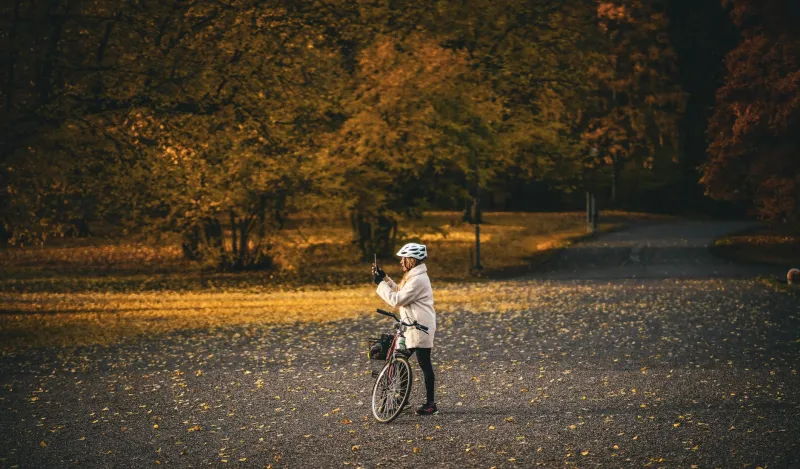
Research on memory and photography has found that taking photos of an experience can shift your attention from the experience itself to the act of capturing it. You're no longer just watching the leaves catch the afternoon light—you're framing it, adjusting it, evaluating whether it's worth posting. The moment becomes raw material before it's finished being a moment.
Indian summer is particularly vulnerable to this dynamic because it's brief and visually extraordinary. The light really is that good. The colors really are that saturated. The warmth really does feel that specific. These are the exact conditions that trigger the documentation impulse—and the exact conditions where that impulse costs you the most.
There's no clean answer here. Photographs of Indian summer days do preserve something real—a specific quality of light, a moment of warmth before the cold arrives, a record of where you were and who you were with. Those things have value. But the photo is always a reduction, and treating the reduction as the goal changes the experience.
How to Actually Use Social Media During Indian Summer
None of this means you should leave your phone at home on a perfect October afternoon. It means you should be intentional about when you reach for it.
A practical approach: let yourself experience the first 20 minutes of any Indian summer moment before you document any of it. Sit with the warmth, the light, the specific quality of the air. Then, if you want to photograph it, photograph it with the context of having actually been present in it first. The images you take after that tend to be better anyway—more specific, less performative, more honestly yours.
When it comes to shopping for Indian summer, use social media as inspiration rather than instruction. The curated feeds will show you what's possible; your own wardrobe and home should reflect what's actually right for your life, your climate, your body. The best Indian summer aesthetic isn't the one that photographs best. It's the one that makes those warm October days feel most like yours.
The Season That Can't Be Fully Captured
Indian summer has always resisted easy description. It's not quite summer and not quite fall. It's borrowed time that feels more vivid because you know it's ending. That specific quality—the warmth that means something because it won't last—is genuinely hard to photograph.
You can capture the light. You can capture the outfit, the latte, the leaves. What you can't really capture is the feeling of knowing you're in the middle of something beautiful and temporary. That part only happens when you put the phone down long enough to notice it.
And that's probably the most honest thing to say about Indian summer and social media: the season is real and the content is real, but they're not quite the same thing. The best version of Indian summer is the one you actually lived through—golden, warm, and almost gone before you realized it.