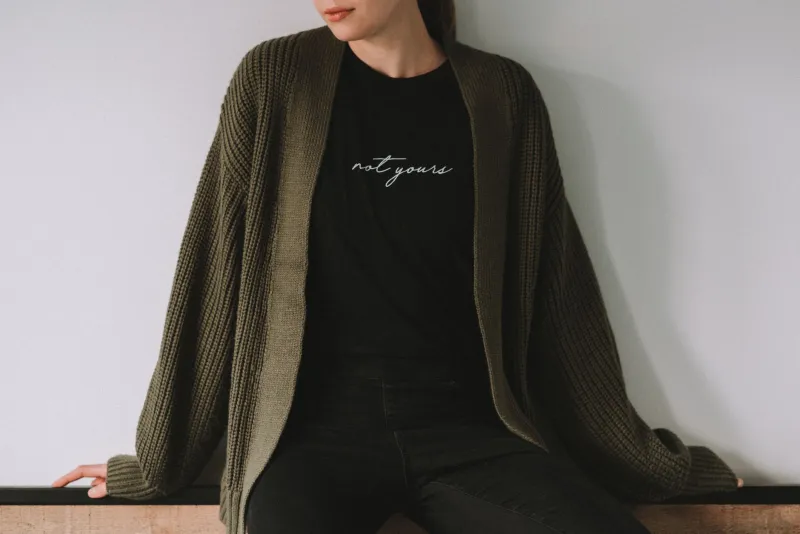
Cold Front Coming: How to Build a Real Wardrobe in the Last Window You've Got

Let's be honest about what happened. Indian summer kept going — longer than expected, warmer than anyone predicted — and you kept pushing the seasonal wardrobe switch back. Why put away the lighter stuff when you're still using it? Why buy a heavy coat when you haven't needed one yet?
And then, somewhere between one Tuesday and the following Friday, everything changed.
Now it's actually cold. Not transitional-layer cold. Not "I might need a light jacket" cold. Actually, genuinely, winter-is-here cold. And your closet is full of things that were perfect three weeks ago and completely useless right now.
This is a very specific kind of wardrobe emergency. And there's a smart way to handle it.
Why the Usual Advice Doesn't Work Here
Most seasonal wardrobe guides assume you have time. They suggest gradual transitions, capsule building over weeks, waiting for sales. That's fine advice in August. In mid-to-late November, when the temperature just dropped fifteen degrees in four days and you have actual places to be, you don't have weeks.
You also don't want to panic-buy a pile of things you'll regret. That's how you end up with a scratchy sweater you wear once and a coat that's technically warm but feels like wearing a sleeping bag to dinner.
The goal here is precision. A small number of genuinely good pieces that cover the gap between where your wardrobe currently is and where the weather now is. Think of it less like building a fall wardrobe and more like solving a specific problem.
Start With the Actual Gap
Before you buy anything, spend ten minutes doing a real audit. Pull out everything you currently have that's cold-weather adjacent and actually try it on. You might find:
- Sweaters that still work but need layering partners
- Pants that are fine but need warmer tops
- A coat that's almost right but not quite warm enough
- Shoes that look great but offer zero insulation
Write down what you actually need versus what would just be nice to have. The list is probably shorter than you think. Most people need three to five pieces to close a wardrobe gap, not fifteen.
The Fabric Conversation Nobody Wants to Have
This is where most last-minute purchases go wrong. When you're in a hurry, it's easy to grab whatever looks right on a hanger without thinking about whether it'll actually perform. A few fabric rules that will save you from buyer's remorse:
Wool is non-negotiable for sweaters. Not wool-blend, not acrylic that looks like wool. Actual wool — merino, lambswool, or Shetland — regulates temperature in a way synthetic fibers simply can't. It's also more durable, which matters when you're buying fewer pieces and wearing them more often. Yes, it costs more. It's worth it.
For outerwear, weight matters more than looks. A coat that photographs beautifully but has thin interlining is going to fail you by February. Look for structured wool coats with proper lining, or down/synthetic-fill options with a fill power of at least 550 if you're in a genuinely cold climate. The Midwest and Northeast in late November are not places for fashion coats.
Denim is your friend, but not all denim. A heavier-weight denim jean — 12 oz or above — is genuinely warmer than a lightweight pair, and the difference is noticeable when you're outside. If your current jeans feel thin, this is worth swapping.
Thermal underlayers are invisible and life-changing. Before you spend money on bulky outer layers, consider whether a good merino base layer would solve half your problem. A thin merino turtleneck under a lighter sweater often outperforms a heavy sweater alone, and it works under everything.
The Colors That Actually Work
When you're building fast and small, color discipline is what keeps the capsule functional. Resist the urge to buy things in interesting or trend-specific colors — they're harder to combine and you'll wear them less.
For a last-minute cold-weather capsule, stick to:
- One or two neutrals you don't already own (camel, charcoal, chocolate brown, or navy all work)
- One piece in a warm accent — burgundy, forest green, rust — that ties to what you already have
- Black sparingly, because it tends to flatten the warm tones that make autumn dressing feel right
The palette of Indian summer — amber, ochre, deep red, warm brown — translates beautifully into cold-weather clothing. You're not abandoning the season, you're just putting it in heavier fabric.
The Five Pieces Worth Buying Right Now
If you need a concrete shopping list, here's a framework that works for most people in most climates:
- A wool or cashmere crewneck sweater in a neutral you'll wear constantly. This is your workhorse.
- A structured outer layer — a wool coat or a quality fleece-lined jacket depending on your climate. One thing that goes over everything.
- A thermal or merino base layer in white or light gray. Invisible under anything, transforms every lighter piece you already own.
- A heavier-weight trouser or pant — wool-blend trousers or heavyweight denim — that reads as cold-weather appropriate.
- Warm socks. Not glamorous, but more impactful than almost any other purchase. Merino wool socks change your entire experience of cold weather.
Buy Less, Wear More
The instinct when you're caught underprepared is to buy a lot of things quickly. Fight that instinct. Five well-chosen pieces that you'll wear constantly are worth infinitely more than fifteen mediocre ones you'll rotate through with mild disappointment.
Indian summer gave you extra time this year. It always does. The trick is not to feel bad about how you spent that time — the warm days were worth enjoying — but to move decisively now that the window has closed.
The cold is here. Your wardrobe can catch up. It just needs a little direction.